SEO Promotion Explained: A Comprehensive Guide to Modern Search Visibility
SEO promotion is the strategic process of optimizing a website to improve its visibility in organic search engine results. By aligning technical configurations, content relevance, and authority signals with search engine algorithms, or...
SEO promotion is the strategic process of optimizing a website to improve its visibility in organic search engine results. By aligning technical configurations, content relevance, and authority signals with search engine algorithms, organizations earn higher rankings, driving sustainable, non-paid traffic and establishing long-term brand authority in an increasingly competitive digital landscape.
Contents
The Foundational Mechanics of Search Engines
To understand SEO promotion, one must first grasp how search engines like Google, Bing, and DuckDuckGo function. In 2026, search engines have evolved beyond simple keyword matching into sophisticated intent-engine models. They operate through three primary stages: crawling, indexing, and ranking.
Crawling is the discovery process where search engine bots (often called spiders or crawlers) follow links across the web to find new and updated content. If a website is not crawlable—due to broken links, a restrictive robots.txt file, or poor site architecture—it cannot be promoted.
Indexing occurs when the search engine processes the crawled pages and stores them in a massive database. During this phase, the engine analyzes the content, images, and metadata to understand what the page is about. Promotion efforts at this stage focus on ensuring that the indexer perceives the page as high-quality and unique.
Ranking is the final stage where the search engine retrieves the most relevant results for a specific user query. This is determined by hundreds of ranking signals, including technical performance, content accuracy, user experience (UX), and the "votes of confidence" provided by external links. SEO promotion is the art and science of influencing these signals to favor a specific URL.
The Four Pillars of Effective SEO Promotion
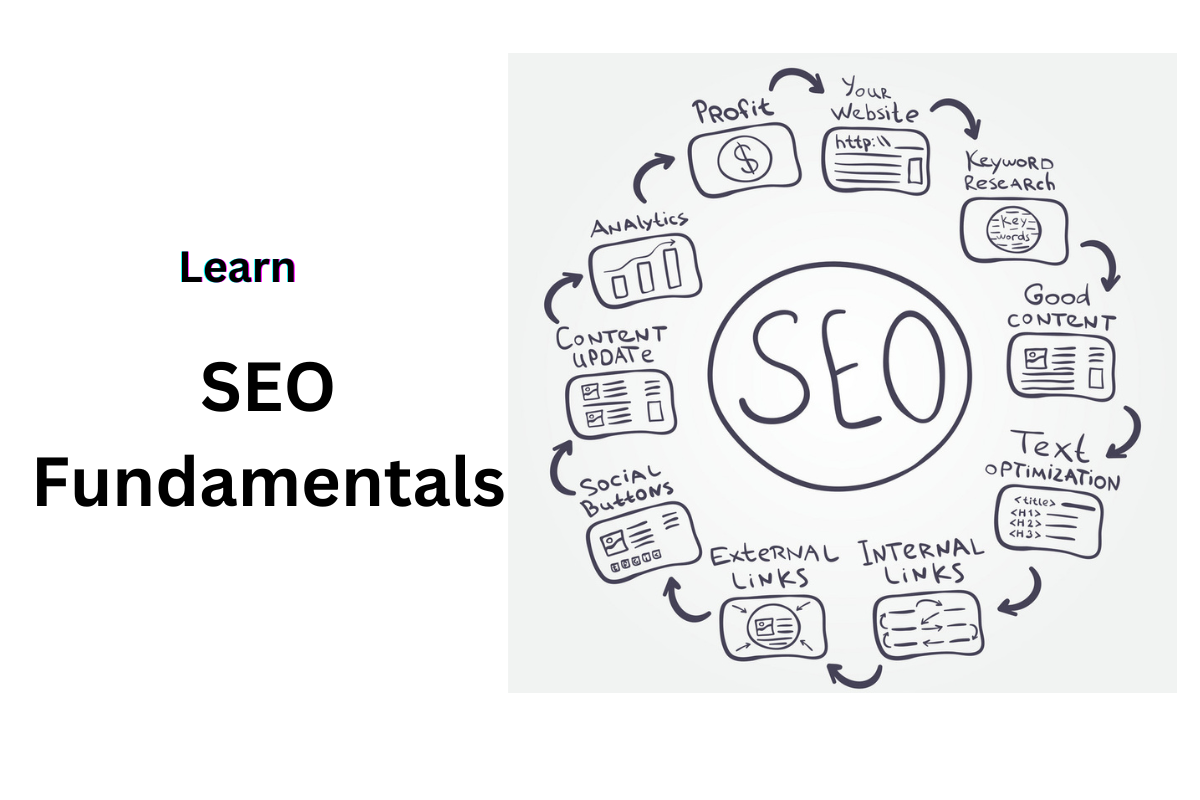
Modern SEO promotion is not a singular task but a multi-disciplinary approach divided into four core categories. Success requires a balanced investment in each of these areas, as a deficiency in one can undermine the strengths of the others.
1. Technical SEO: The Infrastructure
Technical SEO ensures that a website meets the rigorous requirements of modern search engines and provides a seamless user experience. As of 2026, search engines prioritize the "page experience," making technical health a prerequisite for ranking.
- Core Web Vitals: These are specific factors that Google considers important in a webpage's overall user experience. They include Largest Contentful Paint (loading performance), Interaction to Next Paint (responsiveness), and Cumulative Layout Shift (visual stability).
- Site Architecture: A logical, shallow hierarchy helps both users and bots navigate the site. This involves using breadcrumbs, clean URL structures, and an XML sitemap.
- Security (HTTPS): Encryption is no longer optional. Sites without a valid SSL certificate are penalized and flagged as "not secure" to users.
- Schema Markup: This structured data helps search engines understand the context of content, such as reviews, prices, events, or FAQs, allowing the site to appear as "rich snippets" in search results.
2. Content Strategy: The Value Proposition
Content is the primary vehicle for SEO promotion. Search engines aim to satisfy user intent, meaning the content must provide the best possible answer to a user's question.
- Keyword Research and Intent: Modern SEO focuses on "topics" rather than just "keywords." Promotion involves identifying the specific intent behind a search—whether it is informational (seeking knowledge), navigational (finding a specific site), or transactional (ready to buy).
- E-E-A-T Framework: Google’s guidelines emphasize Experience, Expertise, Authoritativeness, and Trustworthiness. Content must be created by or verified by individuals with demonstrable knowledge in the field.
- Content Freshness and Pruning: In 2026, maintaining a "living" content library is vital. This involves updating old articles with new data and "pruning" or redirecting low-performing pages that may be diluting the site’s overall authority.
3. On-Page Optimization: The Contextual Signals
On-page SEO refers to the individual elements on a webpage that can be optimized to signal relevance to search engines.
- Title Tags and
- Backlink Profile: Links from other reputable websites act as "votes" for your content. However, in 2026, the emphasis is entirely on the quality and relevance of the link rather than the quantity. A single link from a major industry publication is often more valuable than hundreds of links from obscure blogs.
Comparison of SEO Promotion Components
The following table outlines the key differences in focus, implementation, and impact for the various types of SEO promotion.
SEO Component Primary Objective Key Metrics Implementation Speed Technical SEO Crawlability and UX Page Load Speed, Indexing Rate, Error Codes Rapid (One-time or Periodic) Content SEO Relevance and Value Time on Page, Bounce Rate, Keyword Rankings Ongoing (Continuous) On-Page SEO Semantic Clarity Click-Through Rate (CTR), Topic Coverage Moderate (Per Page) Off-Page SEO Authority and Trust Domain Authority, Referral Traffic, Backlink Count Slow (Long-term)Why SEO Promotion is Critical in 2026
The landscape of search has changed with the integration of AI-generated overviews and conversational search. SEO promotion is no longer just about "blue links"; it is about being the source of truth that AI models cite.
Organic search remains the most cost-effective acquisition channel because it offers a high Return on Investment (ROI) compared to paid advertising (PPC). While PPC provides immediate results, the traffic stops the moment the budget runs out. In contrast, SEO promotion builds an asset that continues to generate traffic over time. Furthermore, users generally perceive organic results as more trustworthy than sponsored ads, leading to higher conversion rates for qualified leads.
Common Pitfalls in SEO Promotion
Even experienced marketers can encounter obstacles that hinder their promotion efforts. Identifying these early is crucial for maintaining momentum.
Keyword Stuffing: Overloading content with keywords in an attempt to manipulate rankings is easily detected by modern algorithms and leads to penalties. Ignoring Mobile Users: With mobile devices accounting for the majority of global web traffic, a "desktop-first" approach will lead to poor rankings. Buying Backlinks: Engaging in "link schemes" or purchasing low-quality links can result in severe manual actions from search engines, potentially removing the site from the index entirely. Neglecting Local SEO: For businesses with a physical presence, failing to optimize for local search (such as Google Business Profiles) means missing out on high-intent nearby customers.Frequently Asked Questions
How long does it take to see results from SEO promotion?Typically, it takes between three to six months to see significant movement in rankings. SEO is a long-term investment. The timeline depends on the competitiveness of the industry, the current state of the website’s technical health, and the consistency of content publication.
Is SEO promotion better than paid advertising?Neither is inherently "better," as they serve different purposes. Paid advertising (SEM/PPC) is ideal for immediate traffic and short-term promotions. SEO is superior for long-term brand building and lowering the average cost-per-acquisition. A balanced digital marketing strategy often utilizes both.
Do I need an agency for SEO promotion?Small businesses can often handle basic on-page and content SEO internally. However, as a site grows or enters a highly competitive niche, the technical complexities and the need for high-level link building often require the specialized tools and expertise of an SEO professional or agency.
What is the role of AI in SEO promotion in 2026?AI is used both by search engines to understand content and by marketers to scale production. In 2026, the focus has shifted toward "Search Generative Experience" (SGE). Successful promotion now requires creating content that is structured enough for AI to summarize while remaining human-centric enough to provide unique value that AI cannot replicate.
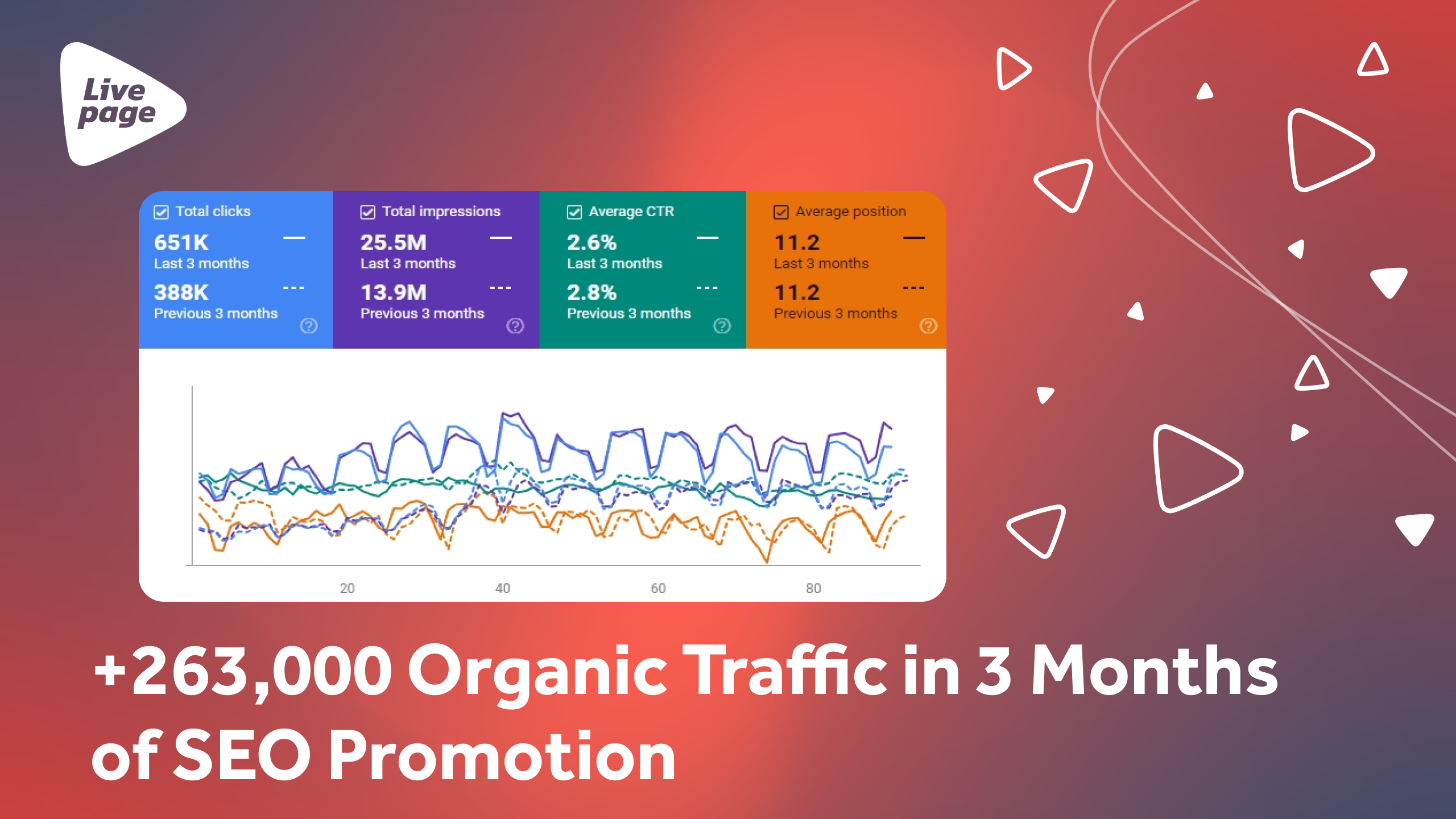
How do I measure the success of my SEO efforts?Success should be measured using tools like Google Search Console (to track impressions and clicks) and platforms like Google Analytics 4 (to track conversions and user behavior). The most important metric is ultimately whether the organic traffic is leading to tangible business goals, such as sales or lead generation.
Practical Next Steps for SEO Promotion
To begin or improve your SEO promotion, start with a comprehensive Technical Audit. Use tools like Screaming Frog or Ahrefs to identify broken links, slow pages, and indexing issues. Once the foundation is stable, perform Keyword Gap Analysis to see what topics your competitors are ranking for that you are missing.
Focus on creating "10x Content"—pieces that are ten times better than anything else currently available for your target keywords. Finally, establish a Digital PR routine to build relationships with industry influencers and journalists, ensuring your brand gains the external validation required to rank in 2026's competitive environment.
Image Gallery