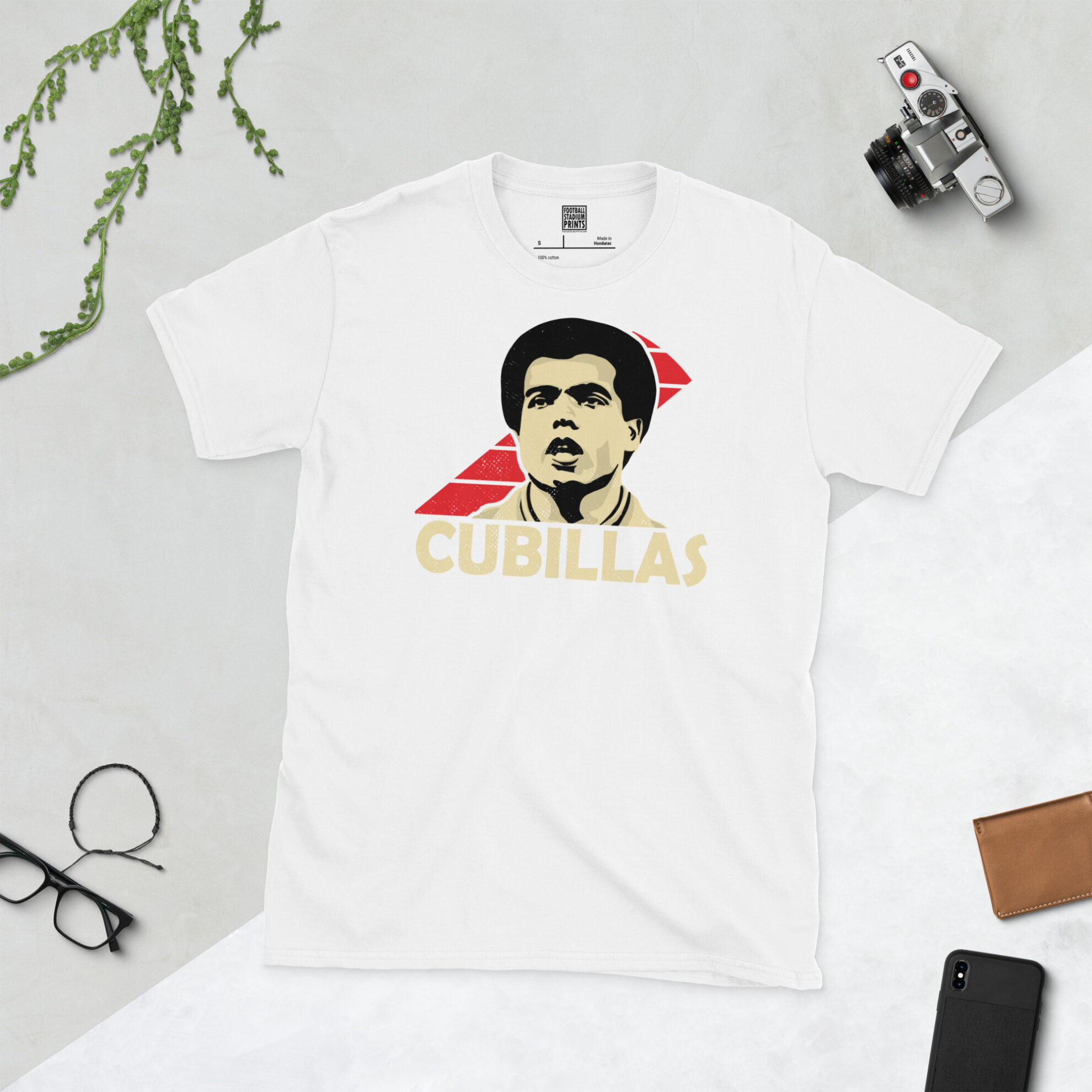
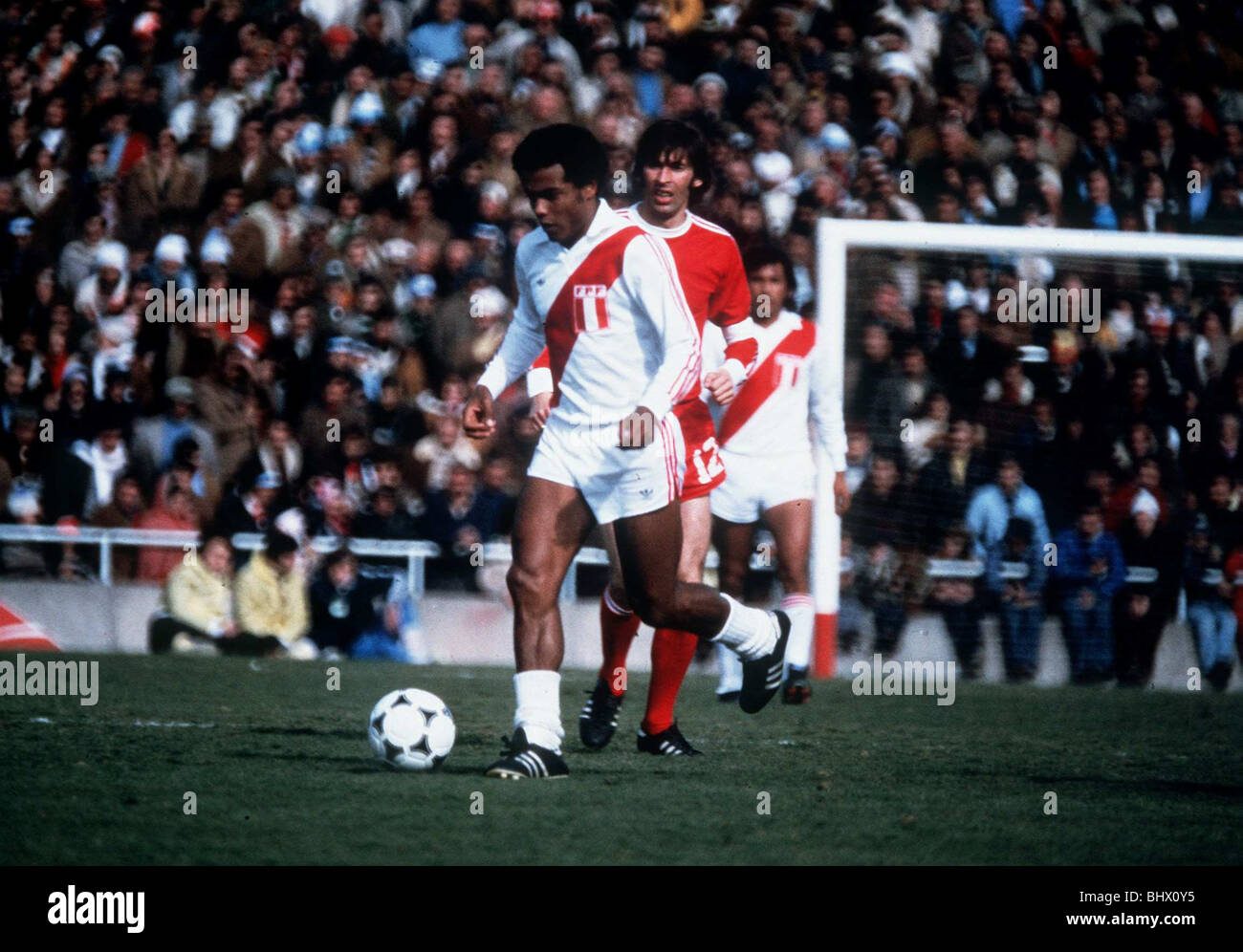
The Net Worth of Teófilo Cubillas: Exploring the Wealth of Peru’s Greatest Football Legend
Teófilo Cubillas holds an estimated net worth ranging between $1 million and $5 million, accumulated primarily through his storied professional football career, international success, and subsequent coaching and ambassadorial roles. As...
Teófilo Cubillas holds an estimated net worth ranging between $1 million and $5 million, accumulated primarily through his storied professional football career, international success, and subsequent coaching and ambassadorial roles. As widely recognized as one of the greatest attacking midfielders in football history and Peru's ultimate sports icon, his wealth reflects the financial realities of a golden era in international soccer rather than the astronomical salaries of the modern, billion-dollar broadcasting rights era.
Contents
Understanding the financial standing of a legendary athlete requires examining more than just playing contracts. It involves evaluating historical salary structures, post-retirement career paths, international accolades, and the general economic landscape of South American football during the 1970s and 1980s. This comprehensive review examines the various pillars that define the net worth of Teófilo Cubillas, providing an accurate, well-contextualized look at how his legendary status translates into financial reality as of 2026.
The Foundations of a Legendary Football Career
To understand the financial earnings of Teófilo Cubillas, one must look back at his phenomenal impact on the pitch. Born in Puente Piedra, Lima, in 1949, Cubillas—affectionately known as El Nene (The Kid)—rose to prominence with Alianza Lima, one of Peru's most historic clubs. His exceptional vision, pinpoint free kicks, and remarkable goal-scoring prowess from midfield quickly established him as a global superstar.
During his initial stints with Alianza Lima in the late 1960s and 1970s, football salaries in South America were drastically lower than those in contemporary European leagues. Even so, Cubillas commanded top dollar within the Peruvian domestic league, securing his status as a national treasure. His performances weren't just confined to club football; they shone brightest on the grandest stage of all: the FIFA World Cup.
Cubillas remains one of the most prolific goalscorers in World Cup history, netting 10 goals across the 1970 and 1978 tournaments. His stellar international performances propelled Peru to the quarterfinals on both occasions and earned him the title of South American Footballer of the Year in 1972. While these accolades did not yield the multimillion-dollar endorsement deals common for modern athletes, they solidified his market value, paving the way for lucrative international transfers.
International Transfers and Earnings Abroad
A pivotal shift in the earning potential of Teófilo Cubillas occurred when he took his talents abroad. In 1973, he transferred to FC Basel in Switzerland, becoming one of the few high-profile South American players of his era to make a significant impact in European club football. Although European salaries in the early 1970s were modest compared to 21st-century figures, playing abroad provided stable, hard-currency earnings that significantly outpaced domestic Peruvian wages.
Following his European tenure, Cubillas returned briefly to Alianza Lima before embarking on a groundbreaking move to the North American Soccer League (NASL) in 1979. He signed with the Fort Lauderdale Strikers, where he played alongside other international legends like George Best and Gerd Müller.
| Club / Team | Active Years | Country | Estimated Financial Impact |
|---|---|---|---|
| Alianza Lima | 1966–1972, 1977–1978 | Peru | Established domestic stardom and foundational local earnings. |
| FC Basel | 1973–1974 | Switzerland | Provided exposure to European markets and stable foreign currency. |
| Porto | 1974–1977 | Portugal | High-profile European stint commanding top-tier regional wages. |
| Fort Lauderdale Strikers | 1979–1983 | United States | Highly lucrative NASL contract during the league's peak financial boom. |
The NASL era was characterized by substantial financial investments designed to popularize soccer in the United States. Cubillas secured one of the more lucrative contracts in the league. His famous hat-trick scored in just seven minutes against the Los Angeles Aztecs cemented his marketability, translating into performance bonuses and increased visibility.
Post-Retirement Ventures, Coaching, and Ambassadorial Roles
When professional athletes retire, their ongoing net worth is frequently sustained by coaching, media work, and commercial sponsorships. Following the conclusion of his playing career, Cubillas transitioned into various roles within the football ecosystem.
He spent time coaching several clubs, including Alianza Lima, and worked extensively as a football analyst and global ambassador for the sport. FIFA and CONMEBOL frequently call upon legendary players like Cubillas for high-profile promotional events, official draws, and charitable matches. These engagements, while variable in compensation, help maintain a steady stream of income and secure a comfortable lifestyle.
Furthermore, Cubillas settled in South Florida, where he has long been involved in youth soccer development academies. Running training clinics and mentoring young prospects represents a reliable, community-focused revenue stream for retired football icons. These ventures, combined with wise real estate investments made during his successful playing days in the United States and Peru, form the bedrock of his long-term financial security.
Comparing Historical Eras: Cubillas Versus Modern Football Wealth
Evaluating the net worth of Teófilo Cubillas requires acknowledging the vast economic disparity between football eras. Today, top-flight European and American players routinely sign contracts worth tens of millions of dollars annually, supplemented by global social media endorsements.
During the peak of Cubillas's career in the 1970s, soccer was largely semi-professional or professional under strict salary caps and modest broadcasting revenues. Even the world's finest players earned a fraction of what bench players make in modern leagues. Consequently, estimating Cubillas's net worth in the low millions reflects a very successful career for his specific generation, rather than the nine-figure fortunes accumulated by modern sports superstars.
| Financial Metric | Teófilo Cubillas Era (1970s–1980s) | Modern Era (2020s) |
|---|---|---|
| Average Club Salaries | Moderate domestic / standard European wages | Tens of millions annually for elite players |
| Endorsement Culture | Limited to local brands and modest gear deals | Global multimedia campaigns and social media partnerships |
| Media Rights Impact | Minimal regional television revenue | Billions in global broadcasting rights fueling club valuations |
| Post-Career Income | Regional coaching, clinics, and occasional ambassador work | Massive television punditry contracts and global brand ownership |
Despite these generational differences, Cubillas managed his career earnings prudently. By avoiding the financial pitfalls that historically plagued many South American athletes of his era, he preserved his wealth and built a lasting legacy both on and off the field.
Frequently Asked Questions
What is the estimated net worth of Teófilo Cubillas?
Teófilo Cubillas has an estimated net worth between $1 million and $5 million. This figure accounts for his historical peak earnings as an elite international footballer, his lucrative NASL contract, and his subsequent work in coaching and youth soccer development.
How did Teófilo Cubillas make his money?
The vast majority of his wealth was earned through his professional playing contracts with Alianza Lima, FC Basel, FC Porto, and the Fort Lauderdale Strikers. Additional income stems from post-retirement coaching roles, soccer camps, youth academies, and global ambassadorial appearances.
Why is Cubillas considered a football legend?
Cubillas is widely regarded as Peru's greatest football player and one of the premier attacking midfielders of the 20th century. He scored 10 goals across three FIFA World Cups (1970, 1978, and 1982) and was named South American Footballer of the Year in 1972.
Did Teófilo Cubillas play in the United States?
Yes. He played in the North American Soccer League (NASL) for the Fort Lauderdale Strikers from 1979 to 1983, where he was one of the league's most dominant and highest-paid stars alongside international greats like George Best.
Where does Teófilo Cubillas live today?
Cubillas has resided for many years in South Florida, United States, where he remains active in local soccer communities, coaching clinics, and international football promotional events.
Conclusion and Financial Summary
The net worth of Teófilo Cubillas reflects the career of a pioneering South American football icon who succeeded across multiple continents. While his financial portfolio does not match the staggering figures of modern sports billionaires, his estimated wealth of $1 million to $5 million represents a secure accumulation of peak-era athletic earnings, smart international transfers, and enduring post-retirement endeavors. For fans and financial analysts alike, Cubillas stands as a testament to sporting excellence whose legacy transcends monetary valuation.
Image Gallery